An overview of essential strategies that every pest control company needs to implement to ensure effective service delivery and client satisfaction. This article outlines key approaches that, when effectively applied, can substantially boost a company’s market presence and operational efficiency. We will delve into methodologies ranging from marketing techniques and customer engagement strategies to technological adoption and safety practices.
By considering these facets, pest control companies can significantly enhance their competitiveness and appeal to a broader customer base. Additionally, the adoption of these strategies can foster a strong brand reputation built on reliability and customer satisfaction.
What are the most effective marketing strategies for pest control companies?
Online Marketing Techniques
In today’s digital era, an online presence is imperative for pest control companies aiming to reach a larger audience. Building a professional website that is optimized for search engines can dramatically influence visibility and customer acquisition. Social media platforms, such as Facebook and Instagram, allow companies to engage directly with potential and existing clients, showcasing their expertise and services creatively. Using targeted online advertisements and pay-per-click campaigns can further extend market reach to individuals actively seeking pest control solutions. Content marketing, including blog posts and videos discussing pest issues and solutions, not only enhances SEO efforts but also positions the company as a trusted authority in pest management.
Community Engagement
Pest control companies can greatly benefit from being actively involved in their local communities. Building a strong local presence helps establish trust and familiarity, which can significantly influence customer decisions. Community involvement can range from sponsoring local events and participating in community fairs to conducting educational workshops about pest management. Discussing common local pest issues and how to address them during these events can demonstrate the company’s expertise and willingness to support community welfare. Establishing partnerships with local businesses and organizations can also create mutually beneficial relationships that enhance brand visibility.
How can pest control companies improve customer satisfaction?
Personalized Service Approach
Delivering personalized services is a vital strategy for pest control companies aiming to boost customer satisfaction. Each customer’s situation is unique, necessitating tailored solutions to effectively address their specific pest issues. Understanding and respecting individual customer preferences and concerns can lead to higher satisfaction and increased loyalty. Communication is key; engaging the customer in conversation about their expectations and the solutions they seek ensures transparency. Demonstrating a commitment to personal service distinguishes your company from competitors that may offer more generic solutions.
Feedback and Continuous Improvement
Gathering and considering customer feedback is a critical strategy for pest control companies focused on continuous improvement. Implementing systems such as surveys, follow-up calls, or feedback forms allows customers to voice their opinions on the services received. This feedback can identify areas where the company excels and where improvements are necessary, aligning service standards with customer expectations. Promoting an open dialogue shows customers that their input is valued and that the company is dedicated to providing the best possible service. Regularly refining service offerings based on feedback demonstrates a commitment to growth and quality.
What technology should pest control companies adopt?
Advanced Pest Detection Tools
Incorporating advanced pest detection tools is a pivotal strategy for modern pest control companies aiming for precision and efficiency. These tools offer innovative means to accurately identify and monitor pest infestations, thereby enabling timely interventions. Technologies such as thermal imaging and motion detectors enhance detection capabilities by revealing pest activity that might otherwise go unnoticed. Implementing state-of-the-art gadgets allows companies to address infestations more effectively, reducing the reliance on guesswork. By harnessing technology, pest control providers can improve service outcomes and mitigate pest-related challenges swiftly.
Customer Relationship Management (CRM) Software
Adopting Customer Relationship Management (CRM) software is essential for pest control companies looking to enhance client relationships and streamline operations. CRM systems facilitate better communication with clients by tracking interactions, scheduling follow-ups, and personalizing communications. Leveraging CRM software allows companies to efficiently manage customer data and history, ensuring comprehensive service delivery. Automation of administrative tasks, such as invoicing and appointment reminders, frees up time for pest control teams to focus on delivering quality service. This technology adoption can significantly improve the client experience, fostering increased satisfaction and loyalty.
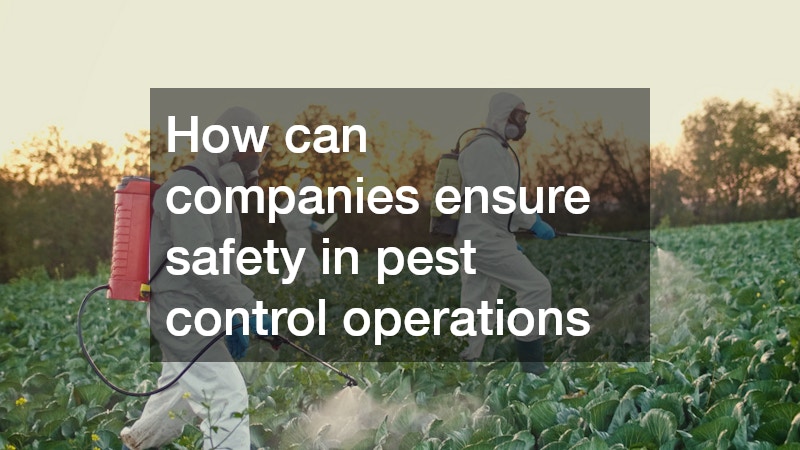
How can companies ensure safety in pest control operations?
Eco-friendly Pest Solutions
Adopting eco-friendly pest solutions is a critical strategy for pest control companies committed to safety and environmental responsibility. Utilizing environmentally friendly products minimizes the harm to non-target species, including beneficial insects, humans, and pets. Increasing consumer awareness about the environmental impact of pest control methods heightens demand for green alternatives. By incorporating techniques such as integrated pest management (IPM), companies can effectively manage pests with minimal chemical intervention. The use of eco-friendly solutions not only benefits the planet but can also appeal to environmentally-conscious clients seeking safe treatment options.
What are the best practices for training pest control technicians?
Comprehensive Training Programs
Developing comprehensive training programs is imperative for pest control companies looking to ensure technician skill and competency. A thorough training program encompasses various elements of pest biology, application techniques, safety protocols, and customer service. Tailored training that caters to different experience levels enhances technician effectiveness and on-the-job confidence. By incorporating hands-on training, shadowing experienced technicians, and utilizing simulations, companies can secure practical knowledge transfer. Investing in formidable training systems equips technicians with the tools needed to address a wide range of pest issues efficiently.