
Sustaining a decisive competitive advantage in modern enterprise environments requires sharp operational discipline, executive humility, and an honest assessment of internal capabilities. Many ambitious organizations fall into the costly trap of believing that complete ownership demands total self-sufficiency across every operational department. In reality, attempting to build, supervise, and optimize every functional discipline internally dilutes executive focus, inflates fixed overhead, and slows organizational response times to a crawl. Working smarter means deliberately offloading complex, non-core operational functions to specialized external partners who already possess the physical infrastructure, technical talent, and industry-tested workflows necessary to deliver superior results faster and more cost-effectively.
Optimizing Industrial Output

Aligning Production Workflows with External Specialists
Scaling a physical product line forces corporate leadership to navigate the punishing capital costs associated with specialized tooling, facility expansions, environmental permits, and ongoing preventative maintenance. Attempting to bring every complex fabrication stage under a single corporate roof invariably delays development cycles while saddling balance sheets with substantial debt obligations. Modern industrial production relies on agile, distributed supply networks where discrete fabrication tasks are outsourced to specialized operations that focus entirely on those disciplines.
Retaining water jet cutting companies allows product development and structural engineering teams to achieve exceptional tolerances on challenging materials such as titanium alloys, structural granite, and composite laminates without purchasing high-pressure abrasive machinery. Furthermore, collaborating with advanced manufacturing companies ensures direct access to high-speed robotic assembly cells, multi-axis machining centers, and automated quality-control sensors without assuming the burdens of asset depreciation or specialized equipment maintenance. This modular manufacturing model accelerates commercialization schedules, eliminates unnecessary operational drag, and preserves liquidity for strategic market expansion.
- Perform detailed bill-of-materials audits to separate standard structural components from complex, tight-tolerance parts.
- Mandate third-party quality control inspections, material certifications, and full lot traceability before awarding fabrication contracts.
- Establish standard digital interchange protocols for engineering drawings to eradicate costly file-conversion discrepancies.
- Construct multi-supplier redundancy models for all mission-critical fabrication stages to prevent supply disruptions.
- Establish clear milestone payment structures tied to prototype validation, batch consistency, and defect thresholds.
Managing Capital Assets and Production Floor Equipment
Upgrading industrial manufacturing facilities demands immense financial outlays, yet allocating cash reserves toward machinery that sits idle between batch cycles impairs return on invested capital. Older machinery also imposes severe operational penalties through recurring mechanical breakdowns, expensive replacement components, and specialized technician payrolls.
Adopting equipment rental for specialized material handling systems and earthmoving machinery converts fixed capital expenditures into predictable operating costs matched directly to production cycles. When dedicated manufacturing machines are needed for recurring production runs, leasing or utilizing contract capacity provides access to automated tooling without the heavy balance-sheet drag of outright purchases. This flexibility enables operations managers to adjust output swiftly as market cycles shift.
- Calculate comprehensive asset utilization rates to make data-driven choices between leasing, short-term hire, and capital acquisition.
- Integrate strict maintenance response times and equipment replacement guarantees into vendor service agreements.
- Mandate operator safety certifications and vendor-led training sessions prior to deploying machinery on production floors.
- Implement structured preventative maintenance schedules with field technicians to mitigate unscheduled factory downtime.
- Review telematics data supplied by equipment partners to track daily operational efficiency and fuel consumption.
Refining Facility Infrastructure
Designing Storage Systems for Maximum Throughput
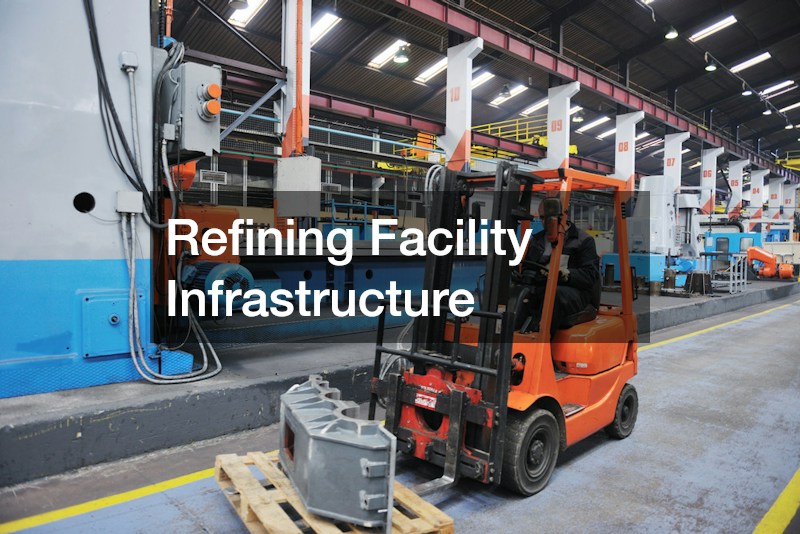
Warehousing and logistics facilities require precise spatial optimization, strict structural safety certifications, and optimized material handling pathways. Attempting to design, erect, or reconfigure dense industrial racking systems using general in-house maintenance crews regularly results in serious safety code violations, inefficient workflows, and severe logistical bottlenecks that hinder shipping throughput.
Experienced warehouse installation contractors bring dedicated structural engineering insights that maximize vertical cubic storage space while ensuring full compliance with local seismic and building codes. These installation specialists systematically assess product picking velocity, aisle clearances for material handling vehicles, and fire sprinkler access to engineer layouts that shorten pick cycles and reduce fulfillment times. Working with dedicated logistics engineers protects floor personnel from structural collapse hazards and ensures warehousing systems adapt cleanly to seasonal spikes in order volume.
- Conduct historical product velocity analyses to establish an optimal storage layout prior to bolting down rack assemblies.
- Verify concrete floor load capacities, anchor bolt depth specifications, and slab levelness before assembling heavy racking.
- Insist on professional engineering stamps for all pallet racks, dynamic gravity-feed lanes, and multi-tier mezzanines.
- Schedule major installation projects around primary fulfillment shifts to keep baseline warehousing operations moving.
- Establish recurring annual structural inspection schedules to detect accidental forklift damage and beam deflection early.
Establishing Streamlined Product Presentation and Logistics
Preparing finished goods for transport and retail presentation requires coordinated structural engineering, brand aesthetics, and protective design. When internal teams manage every step of custom packaging internally, they frequently grapple with high material scrap rates, inadequate warehouse storage for bulky containers, and elevated product return rates caused by shipping damage.
Outsourcing secondary packaging and fulfillment operations to specialized external partners ensures that all shipping containers meet rigorous transit drop tests while minimizing dimensional weight fees charged by commercial freight carriers. These specialized partners leverage bulk purchasing agreements for high-grade corrugated cardboard, automated boxing systems, and sustainable protective materials that would be economically unfeasible for an individual enterprise to purchase outright. Transitioning these physical preparation workflows to external packaging hubs reduces unit handling costs and protects the customer experience.
- Perform standardized edge crush tests on all outer cartons rather than relying solely on traditional burst strength ratings.
- Standardize primary carton footprints across product lines to optimize master pallet layouts and reduce void-fill requirements.
- Embed scannable automated tracking barcodes directly onto secondary packaging to speed up warehouse intake.
- Audit damaged-in-transit claims monthly to identify recurring design flaws across outer carton designs.
- Require packaging vendors to provide eco-friendly, biodegradable alternatives to petroleum-based packing peanuts and plastics.
Protecting Corporate Assets

Establishing Comprehensive Physical Perimeter Defense
Physical facility security extends well beyond basic alarm keypads and passive video cameras. Facilities that process high-value commercial inventories, house intellectual property laboratories, or support executive operations require continuous tactical readiness, proactive perimeter surveillance, and decisive de-escalation skills.
Contracting armed security through licensed agencies establishes a reliable deterrent against corporate theft, organized retail crime, unauthorized access, and workplace emergencies. These dedicated security providers assume the complex operational responsibilities of background checks, weapons handling credentials, and crisis mitigation training that an internal HR team is rarely equipped to manage. Protecting physical assets and personnel with vetted, insured security contractors mitigates organizational liability and preserves uninterrupted daily operations.
- Conduct comprehensive physical vulnerability audits targeting external entry gates, shipping docks, and server rooms.
- Formulate clear jurisdictional handoff protocols to ensure smooth coordination between internal teams and local law enforcement.
- Review licensing documentation, firearm qualification records, and liability insurance limits for all assigned personnel.
- Audit physical access badges and digital credential logs against external surveillance footage to eliminate security vulnerabilities.
- Conduct regular physical intrusion drills to evaluate gatehouse responsiveness and perimeter control effectiveness.
Securing Proprietary Records and Physical Data
While digital cybersecurity programs consume corporate risk budgets, physical documentation remains an accessible vulnerability for corporate espionage, identity fraud, and regulatory enforcement actions. Discarded prototypes, confidential personnel files, and sensitive accounting reports deposited into standard office recycling bins expose enterprises to catastrophic financial penalties and legal liability.
Partnering with certified document shredding companies ensures the complete destruction of physical files, misprinted product schematics, and retired digital media storage drives. These specialized service providers install locked collection consoles throughout corporate work areas and operate mobile shredding units that destroy materials on-site under continuous video surveillance. Handing this sensitive destruction process over to certified professionals provides organizations with defensible compliance records under legal frameworks such as HIPAA, GLBA, and GDPR.
- Strategically place tamper-evident collection consoles in executive offices, human resource areas, and accounting bullpens.
- Mandate clean-desk operational rules paired with zero-tolerance policies for discarding sensitive notes in standard trash cans.
- Collect serialized, legally defensible destruction certificates matching specific bin tracking barcodes after each visit.
- Train corporate personnel on the strict separation of standard municipal paper waste from confidential business documents.
- Schedule quarterly disposal purges for archived physical files that have passed statutory retention limits.
Navigating Strategic Development

Accelerating Corporate Transformation Through Specialized Guidance
Guiding a company through market repositioning, acquisitions, or enterprise software rollouts requires rigorous analytical models and operational frameworks developed across diverse corporate environments. Internal executives are often encumbered by internal office politics, historical biases, and daily tactical duties that blind them to strategic inefficiencies.
Retaining top-tier consulting services introduces specialized expertise into the corporate structure without adding permanent executive salary lines to the payroll. These external advisors conduct forensic business audits, eliminate operational redundancies, and map structured digital transition paths. Relying on seasoned outside perspective avoids costly missteps during critical business pivots and ensures strategic investments deliver measurable returns.
- Define concrete deliverables, execution milestones, and quantifiable performance criteria before launching projects.
- Assemble a dedicated internal liaison squad to gather internal data and prevent operational scope creep.
- Conduct weekly steering committee reviews to confirm that strategic recommendations remain operationally feasible.
- Embed structured operational handoff and documentation practices to enable internal teams to execute plans independently.
- Tie final vendor compensation payouts to the realization of predefined business performance goals.
Managing Public Infrastructure and Civil Compliance
Enterprises managing civil construction projects, commercial property developments, or outdoor industrial events face rigorous municipal compliance mandates regarding public rights-of-way. Failing to implement compliant traffic routing around active physical operations leads to steep regulatory fines, project shutdowns, and severe corporate liability in the event of traffic accidents.
Contracting a licensed road sign service ensures that all lane detours, pedestrian barricades, and regulatory warnings comply with local and national transportation safety standards. These specialized vendors handle the entire lifecycle of civil signage, from developing certified traffic control schematics to placing high-visibility messaging boards and crash barriers on site. Entrusting traffic management to certified professionals keeps municipal projects on schedule, preserves site safety, and insulates the organization from traffic-related civil claims.
- Submit formal traffic mitigation drawings to municipal permitting offices weeks before scheduled groundbreakings.
- Confirm that all deployed traffic control devices, cones, and message boards comply with retroreflectivity visibility requirements.
- Perform daily morning inspections of all sign placements against approved project schematics before daily shifts start.
- Maintain comprehensive time-stamped photo logs of all roadway barriers, signs, and traffic markings throughout the project.
- Require vendor technicians to remain on call around the clock to adjust knocked-over signs or shifting traffic lanes quickly.
Managing Vendor Partnerships
Evaluating and Onboarding Third-Party Contractors
The strategic gains of third-party operational integration depend on the discipline applied during vendor evaluation and onboarding. Partnering with an unvetted vendor can introduce operational vulnerabilities, hidden compliance liabilities, and reputational damage.
- Formulate detailed Requests for Proposals outlining concrete service level expectations, technical standards, and non-disclosure terms.
- Require verifiable proof of comprehensive liability insurance, professional indemnity coverage, and workers compensation policies.
- Contact past corporate clients to evaluate real-world crisis management and reliability under aggressive delivery deadlines.
- Start engagements with small, low-risk pilot projects before handing over mission-critical responsibilities.
- Audit the financial stability of prospective vendors to ensure they can sustain support throughout multi-year contracts.
Monitoring Performance Metrics and Operational Standards
Retaining an external service partner does not mean handing over responsibility without accountability. Constructing transparent oversight systems keeps service quality high, protects company timelines, and ensures operational expenditures remain aligned with contracted budgets over multi-year operational cycles.
- Institute structured quarterly operational reviews to assess vendor performance against agreed-upon performance metrics.
- Implement tiered incentive structures that reward operational speed, zero-defect production, and verifiable material savings.
- Reconcile contractor billing records against tracked labor logs, signed receipts, and dispatch registers.
- Maintain contingency replacement plans for critical services to ensure fast operational cutovers if a vendor fails.
- Conduct joint safety and compliance audits to guarantee the partner adheres to your organization’s ethical standards.
Fostering Long-Term Collaborative Relationships
Treating outside service providers as simple invoice line items overlooks the substantial strategic value inherent in deep, long-term commercial relationships. Enterprises that treat external vendors as true operational extensions unlock unexpected efficiencies, secure preferred capacity allocations during supply shortages, and gain early access to emerging industry innovations.
Transparent, bilateral communication builds organizational trust. When external specialists understand your multi-year corporate strategy, they can proactively recommend operational tweaks, identify hidden supply chain waste, and suggest modern methodologies that internal teams would rarely uncover on their own. Cultivating mutually beneficial, long-term business relationships transforms basic vendor management into an engine for organizational speed and sustained commercial success.
- Share projected production volumes with key partners months in advance to assist their resource planning.
- Designate single points of contact within both organizations to streamline day-to-day coordination.
- Conduct regular feedback discussions to uncover hidden friction points on both sides of the contract.
- Celebrate shared project successes to build lasting, collaborative working relationships.
- Involve primary vendor technicians in cross-functional design sprints to leverage their specialized insights early.
Building Resilient Operations
Operating an enterprise in complex, fast-moving markets requires operational humility. No single organization can master every discipline from heavy engineering and industrial safety to municipal compliance and high-level strategy. Attempting to manage every function internally exhausts capital, stretches personnel thin, and slows organizational responsiveness.
Working smarter is an operational philosophy centered on strategic delegation. When leadership identifies non-core functions and entrusts them to vetted, specialized providers, fixed costs transform into flexible capabilities. The operational agility gained through disciplined outsourcing allows your core teams to focus entirely on product innovation, client relationships, and sustainable market expansion.